

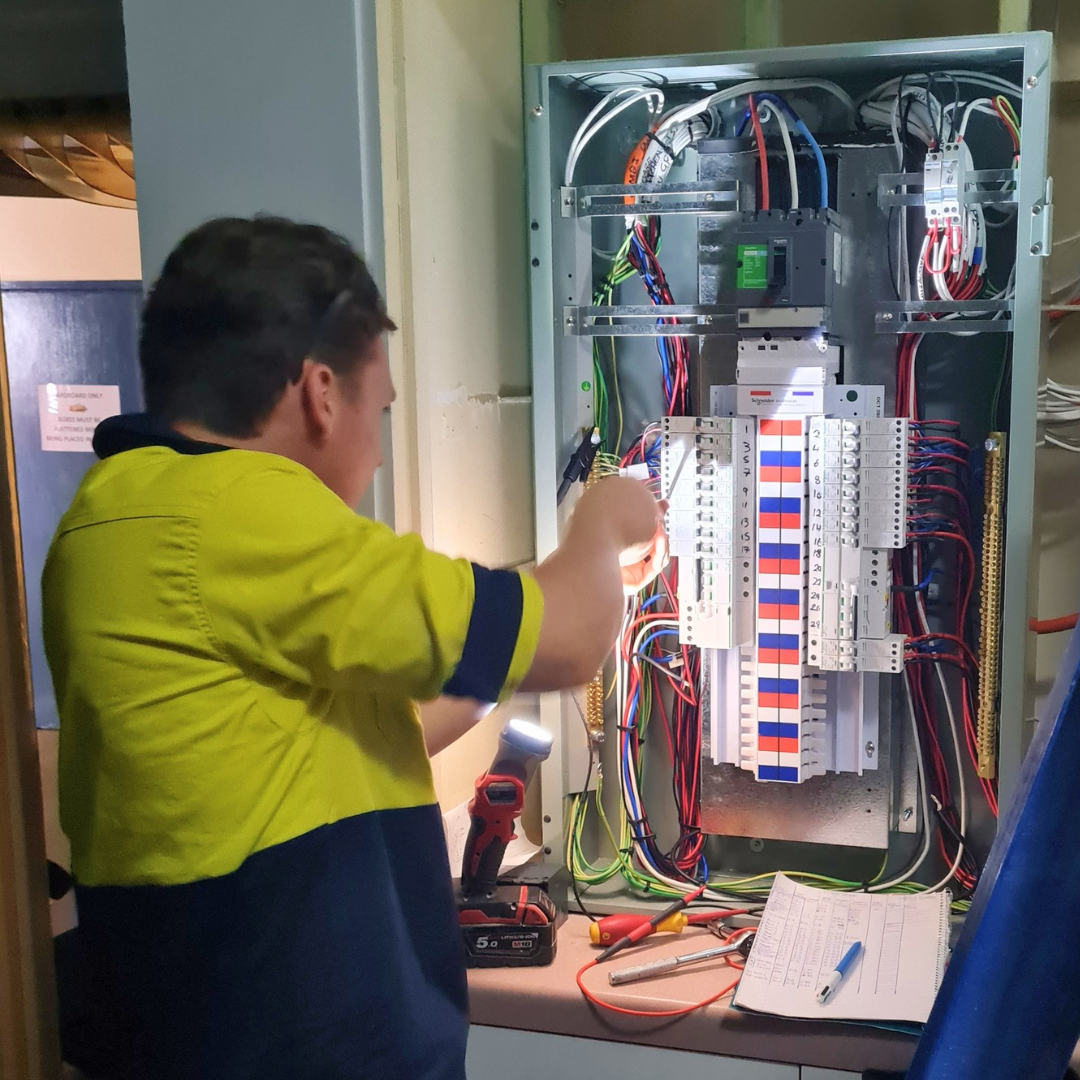
Electrical works can affect far more than the immediate work area.
A shutdown may interrupt equipment, communications or building systems. Access requirements, noise and temporary work areas can affect staff, tenants and customers. Other contractors and building services may also need to be coordinated around the work.
For facility, property, asset and business management teams, the question is not simply whether the electrical work can be completed. It is whether it can be completed safely, within program and budget, while limiting unnecessary disruption to the people and systems that rely on the site.
Across 30 years of commercial electrical work in South East Queensland, EDC Systems QLD has found that projects generally run more smoothly when operational requirements are understood before the program is locked in.
Plan around the way the site operates
Before dates are confirmed, the project team needs to understand what must remain operational, what can be isolated, when access can be provided and how much downtime the site can realistically accommodate.
The answer will be different for every property. A short shutdown that is manageable in a commercial office may have a very different impact in healthcare, aged care, retail, hospitality or another operating facility.
Existing buildings can also bring uncertainty. Drawings and circuit schedules may not reflect previous alterations, access can be restricted and existing infrastructure may differ from the available information.
Early investigation helps identify these issues before they become changes to the scope, shutdown requirements or project program once the work is underway.
Choose the right delivery approach
Keeping a business operating does not automatically mean every project should be staged or completed after hours.
Staged works can reduce the immediate impact on the site, but may extend the program, increase mobilisation and require additional temporary arrangements. After hours work can reduce disruption during normal operating times, but may add labour costs, supervision requirements and pressure around testing and handover.
In some circumstances, a shorter planned shutdown may create less overall disruption than completing the same work over several stages.
The right approach depends on the site, the work being completed and the systems or operations that need to be protected. The aim is to balance safety, operational continuity, program and cost rather than applying the same solution to every project.
Planning in practice
A recent EDC project within an operating medical laboratory demonstrates why this planning matters.
Following a small fire, EDC supported safe isolation and make-safe works for emergency and remediation crews. The laboratory needed to continue operating, so investigation, temporary power and lighting, remediation support and reinstatement works were coordinated around its operational requirements.
The project later progressed into a new fitout incorporating power, lighting, emergency lighting, AV, Cat 6 data, fibre optic infrastructure, temperature monitoring cabling and emergency stop cabling.
The challenge was not simply completing the electrical work. It was restoring essential services and progressing the new works while limiting the impact on the laboratory’s operations. Read more about that project here.
Plan the shutdown through to handover
A planned isolation is not finished when the installation work is complete.
The work window also needs to allow for testing, commissioning, re-energisation and system checks before normal operations resume.
Where communications, security, mechanical systems, controls or specialist equipment are involved, other contractors or internal teams may also need to verify their systems before the site is handed back.
Clear communication is equally important. The people affected by the works need to know what will be impacted, when it will occur, what they may need to do beforehand and when normal access or operations are expected to resume.
Questions to answer before electrical works begin
Before confirming the program, it is worth asking:
- Which operations, areas and equipment must remain available?
- What can be isolated and for how long?
- Are drawings, switchboard labels and circuit information current?
- Who approves access, shutdowns and changes to the program?
- Would staged works, after hours work or a planned shutdown create the least disruption?
- Are temporary power, lighting or relocation arrangements required?
- Which other contractors, systems or stakeholders need to be coordinated?
- Has enough time been allowed for testing, commissioning and handover?
Good planning keeps more options open
Some disruption may be unavoidable during commercial electrical works. The objective is to identify the likely impacts early enough to make informed decisions about timing, access, staging and shutdowns.
Early involvement from an experienced electrical contractor gives clients more opportunity to plan around their operational requirements rather than resolving issues once the work is already underway.
EDC Systems QLD provides commercial electrical, data, communications, fibre optic, fitout, maintenance and responsive services across Brisbane and South East Queensland.
To discuss upcoming electrical works or review how a project could be planned around your business operations, contact the EDC Systems QLD team.